Leaders urge ecological restraint, citing seasonal wildlife cycles and long-term forest impacts ahead of potential pipeline clearing.
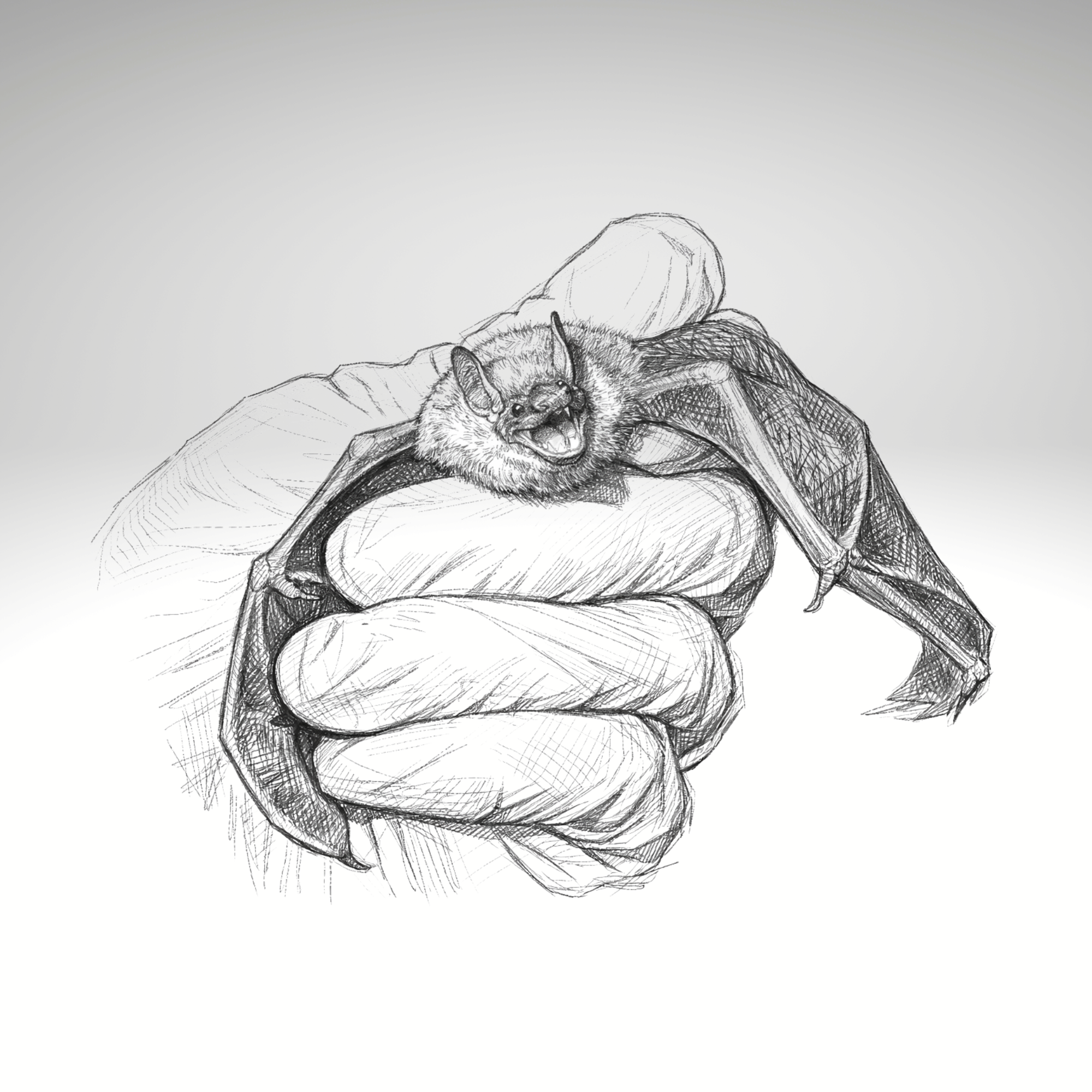
MEBANE, NC, UNITED STATES, February 21, 2026 /EINPresswire.com/ — Yesterday, the U.S. Army Corps of Engineers issued a permit for the Southeast Supply Enhancement Project, an interstate pipeline proposed by Transcontinental Gas Pipe Line Company, LLC. The Corps’ permit, issued under Section 404 of the Clean Water Act, authorizes Transco to cut crossings through more than 150 streams and wetlands. Community leaders and environmental advocates are raising concerns about the timing of potential authorization for the Southeast Supply Enhancement Project, following Transcontinental Gas Pipe Line Company (Transco) ‘s request for expedited approval to receive a Notice to Proceed before March 2, 2026. The request would allow forest clearing to begin immediately prior to the seasonal window when protections are in place for the endangered Tri-Colored Bat — a species whose populations have declined by more than 90% in parts of its range due to habitat loss and white-nose syndrome.
For communities in the Piedmont region of North Carolina, forested corridors are not just construction zones — they are living systems.
“The Tri-Colored Bat roosts in mature trees and relies on intact forest canopy for survival,” said Dr. Crystal Cavalier-Keck. “Seasonal protections exist because maternity and roosting periods are biologically critical. Clearing immediately before those windows may comply with dates on a calendar, but it does not align with the spirit of stewardship.” The proposed pipeline would impact more than 24 acres of wetlands and permanently convert over 2 acres of forested wetlands to emergent wetlands, altering hydrology and fragmenting habitat that supports bat foraging corridors, insect populations, and broader forest biodiversity.
From an Indigenous stewardship perspective, timing matters. Traditional ecological knowledge recognizes that wildlife cycles — including migration, breeding, and roosting — are not arbitrary regulatory triggers but sacred rhythms tied to land, water, and seasonal balance. Disrupting forest structure immediately before sensitive periods raises concerns about cumulative stress on already vulnerable species. “This is about a relationship,” said Jason Keck. Community leaders have requested clarification from the U.S. Fish and Wildlife Service regarding ongoing consultation and habitat mitigation measures, particularly given the Tri-Colored Bat’s endangered status and increasing regional habitat fragmentation.
Advocates are encouraging decision-makers to ensure that project timelines reflect ecological integrity and long-term habitat stability — not simply construction sequencing. When mature forest is cleared, the loss is immediate. Restoration takes decades. The Tri-Colored Bat cannot wait decades.
Tia Hunt
7 Directions of Service
+1 910-722-9459
email us here
Legal Disclaimer:
EIN Presswire provides this news content “as is” without warranty of any kind. We do not accept any responsibility or liability
for the accuracy, content, images, videos, licenses, completeness, legality, or reliability of the information contained in this
article. If you have any complaints or copyright issues related to this article, kindly contact the author above.